
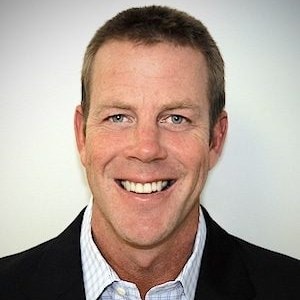
Josh Heuchan
Founder & CEO
- Based in
- Tampa, Florida
- At FloodGate since
- 2001
- Years in MedTech
- 29
I founded FloodGate Medical in 2001 with a conviction that still drives our business today: the best MedTech companies are rarely the ones who have the best products. They are the ones who understand how to attract, select, develop and retain the best talent.
For more than 25 years, I've worked alongside MedTech executives and leadership teams, helping them build the talent and talent strategies needed to achieve their business objectives.
I've come to believe that talent should be managed with the same intentionality, discipline, and accountability as any other strategic business investment.
The path here
Leadership focus
- C-suite and board-level talent strategy and advisory
- Developing the next generation of FloodGate's leaders
- Advancing our mission to be the most trusted talent partner our clients have ever worked with
As Founder and CEO, my focus is on building strategic relationships with MedTech leaders, advising on consequential talent decisions, and advancing FloodGate's capabilities in executive search and talent strategy.
Founder & CEONow
2001 to presentFloodGate Medical
I founded FloodGate in 2001 and have spent more than 25 years building a specialized firm dedicated to serving the MedTech industry.
Along the way, our team has made 3,445 placements across 263 MedTech clients, giving us an extensive perspective on the people, leadership capabilities, and organizational challenges that influence business performance.
Today, I'm leading FloodGate's evolution beyond individual search engagements toward deeper, longer-term partnerships that help clients make more intentional, informed, and measurable talent decisions.
Our aspiration is not simply to be the firm our clients call when they need to hire someone. It's to become the talent partner they trust when making decisions that will shape the future of their businesses.
Regional Sales Manager
from 1997HealthLink
I began my MedTech career in regional sales management, gaining firsthand experience with the commercial realities of the MedTech industry before founding FloodGate.
That experience continues to shape how I think about talent. Great people don't operate in a vacuum. Their value is ultimately measured by their ability to contribute to the organization's objectives.
Josh’s corner of MedTech.
MedTech Executive Search and Leadership Selection
Understanding the leadership capabilities, experience, and characteristics required to succeed in different MedTech environments.
C-Suite and Board-Level Talent Decisions
Helping organizations think critically about leadership needs, executive selection, and the people responsible for guiding their businesses.
Talent Strategy and Organizational Performance
Connecting talent decisions to business objectives and helping leadership teams become more intentional about how they invest in people.
Talent Acquisition, Development, and Retention
Understanding how organizations attract exceptional people, position them for success, develop their capabilities, and retain their most valuable contributors.
Strategic Client Partnerships and Executive Advisory
Building trusted relationships with MedTech leaders that extend beyond individual searches to the broader talent challenges and opportunities facing their organizations.
What most people get wrong
The belief
The objective is to fill the seat.
The reality
The seat is not the objective. The business outcome is. Every hire should begin with a clear understanding of what the organization is trying to accomplish and how that person will contribute to achieving it.
The belief
Talent strategy is primarily an HR responsibility.
The reality
Talent strategy is a business strategy. CEOs and executive teams should be as intentional about acquiring, developing, and retaining talent as they are about capital allocation, product development, and commercial execution.
The belief
Hiring exceptional people is enough.
The reality
Attracting great talent is only the beginning. The organizations that build a sustainable competitive advantage are those that consistently select, develop, empower, and retain exceptional people.
The belief
Talent investments are too difficult to measure.
The reality
Talent is often one of the slower strategic investments to produce measurable results, but that doesn't make it immeasurable. Organizations should establish clear expectations, define meaningful outcomes, and measure the effectiveness of their talent investments with the same discipline they apply to other business priorities.
Trust is built through candor, not agreement.
I believe the best professional relationships are built on shared values, trust, candor, and a commitment to doing what's right for the client.
That means putting the client's long-term objectives ahead of any individual transaction, addressing difficult issues directly and respectfully, and being willing to challenge assumptions when necessary.
One of the principles I try to live by is a willingness to sprint to conflict. Not because conflict is desirable, but because avoiding difficult conversations rarely serves the people or organizations we care about.
I want clients to experience FloodGate as a partner willing to tell them what we believe is best for their business, even when that means challenging an assumption, recommending a different approach, or suggesting something that creates no transaction for us.
Ultimately, I'd rather earn a client's trust over decades than win a single engagement.
Questions worth asking about talent
What leaders ask Josh most often, and how Josh answers.
What is the most common talent mistake MedTech companies make?
Treating hiring as an isolated transaction rather than part of a broader business strategy.
Before beginning a search, leadership should be clear about the business outcomes the role is expected to produce, the capabilities required to deliver them, and how success will be measured.
The best hiring decisions start with clarity about the business, not a job description.
How should MedTech companies measure the effectiveness of their talent strategy?
Start with business outcomes and work backward.
Traditional recruiting metrics such as time-to-fill and cost-per-hire have their place, but they don't tell the whole story.
Companies should also be evaluating quality of hire, retention of high performers, leadership effectiveness, succession readiness, and whether their talent investments are producing the outcomes the business needs.
If talent is truly one of our most important investments, we should be able to explain what return we expect from it.
What should CEOs prioritize in their talent strategy?
Alignment.
Start by asking whether the organization's leadership capabilities, talent investments, and organizational structure are aligned with where the business needs to go over the next 12 to 24 months.
Do we have the right people in the right roles? Are we developing the capabilities we'll need tomorrow? Where are we most vulnerable to losing critical talent?
These are business questions, not simply HR questions.
What should a CEO expect from an executive search partner?
More than a slate of qualified candidates.
A great search partner should bring market intelligence, informed judgment, an understanding of the business, and the willingness to have candid conversations.
They should challenge assumptions when appropriate, help leadership teams make better decisions, and remain invested in the success of the relationship long after the search is complete.
The objective shouldn't be to complete a transaction. It should be to help the client achieve a business outcome.
Away from work
Outside of FloodGate, I enjoy surfing, mountain biking, golf, and spending time with my family.
Last reviewed by Josh Heuchan on .
The difference between a compelling business strategy and exceptional business performance is often the people responsible for executing it.
Let's talk about what you're trying to accomplish.
Whether you're building your leadership team, preparing for your next stage of growth, or thinking through an important talent decision, I'd welcome the conversation.