
Structural Heart recruiting and talent strategy.

Structural heart covers the transcatheter procedures that repair or replace heart valves and close defects without open surgery: transcatheter aortic valve replacement (TAVR), mitral and tricuspid repair and replacement, left atrial appendage closure and septal closure. Every case is reviewed by a multidisciplinary heart team, sized and planned from CT and echocardiography, and supported in the room by clinical specialists. The companies behind these therapies depend on R&D engineers who understand tissue and nitinol, clinical research teams who run pivotal trials, imaging expertise and field teams who can carry a growing hospital program.
- MedTech only, since 2001
- 25+ yearsMedTech only, since 2001
- Placements made
- 3,500+Placements made
- We search, listed below
- 5 areasWe search, listed below
Inside structural heart.
A search usually sits in one of these areas, and often spans two or three.
Transcatheter aortic valve replacement
TAVR systems for aortic stenosis, now used across surgical risk levels, delivered mostly through the femoral artery. The work spans valve and delivery system design, CT-based sizing and case planning, procedural support in the hybrid room or cath lab and the program development that helps a hospital grow its referral base.
- Structural Heart Clinical Specialist
- Therapy Development Manager
- Delivery System Engineer
- Territory Manager
Transcatheter mitral and tricuspid therapies
Edge-to-edge repair and transcatheter valve replacement for mitral and tricuspid regurgitation. Procedures are guided by transesophageal echocardiography, so imaging knowledge sits at the center of training, case support and clinical trial design, and the evidence base for each new device is still being built.
- Clinical Imaging Specialist
- Clinical Research Manager
- Field Clinical Engineer
- R&D Engineer
Left atrial appendage closure
Implants that seal the left atrial appendage for patients with nonvalvular atrial fibrillation who need an alternative to long-term blood thinners. Cases run in the EP lab or the cath lab with TEE or intracardiac echo guidance, and referrals come from electrophysiologists, interventional cardiologists and general cardiology together.
- Clinical Specialist
- Territory Manager
- Marketing Manager
- Regulatory Affairs Manager
Septal defect and PFO closure
Occluders for patent foramen ovale after cryptogenic stroke and for atrial septal defects in adults. Referral depends on neurology and cardiology agreeing on the patient, so medical education and clear clinical evidence matter as much as the implant itself.
- Clinical Specialist
- Medical Science Liaison
- Product Manager
- Quality Engineer
Structural heart imaging and procedure planning
CT analysis software, 3D modeling, intracardiac echo and the planning services that size a valve and choose an access route before the patient reaches the room. This is where software engineering, imaging science and clinical workflow meet, and it often decides how quickly a new hospital program can start cases.
- Clinical Imaging Specialist
- Software Engineer
- Product Manager
- Clinical Applications Specialist
Where structural heart searches go wrong.
The assumptions that cost the most time, and what tends to be true instead.
“Only someone with TAVR experience can support TAVR cases”
Valve-specific knowledge can be trained in a structured program. What takes years is comfort in a high-acuity room, fluency with imaging and the judgment to speak up during a case. Cath lab technologists, echo sonographers, cardiac nurses and clinical specialists from electrophysiology or coronary often ramp well. Ask how a candidate has handled a case going wrong, not only which valve they have seen.
“A structural heart sales role is a selling job”
Most of the work is building a program: helping a hospital organize its heart team, screening and referral pathways, and keeping implanting physicians, imagers and administrators aligned. Candidates who have only managed transactions often struggle. Look for people who can show a program they helped start or grow, and how they did it.
“Any catheter engineer can design a transcatheter valve”
Transcatheter valves combine biological tissue, nitinol or cobalt chromium frames and long, steerable delivery systems, all tested against heart valve standards such as ISO 5840 and backed by long clinical follow-up. Engineers from simpler catheter products often need time to work at that level of durability and design control. Ask which parts of a valve program a candidate owned through verification and the clinical study.
“The most experienced candidate in the therapy area is the safest hire.”
Most companies default to the most experienced candidate, assuming experience equals execution. Early-stage and growth-stage MedTech needs builders, not maintainers, and those are rarely the same person.
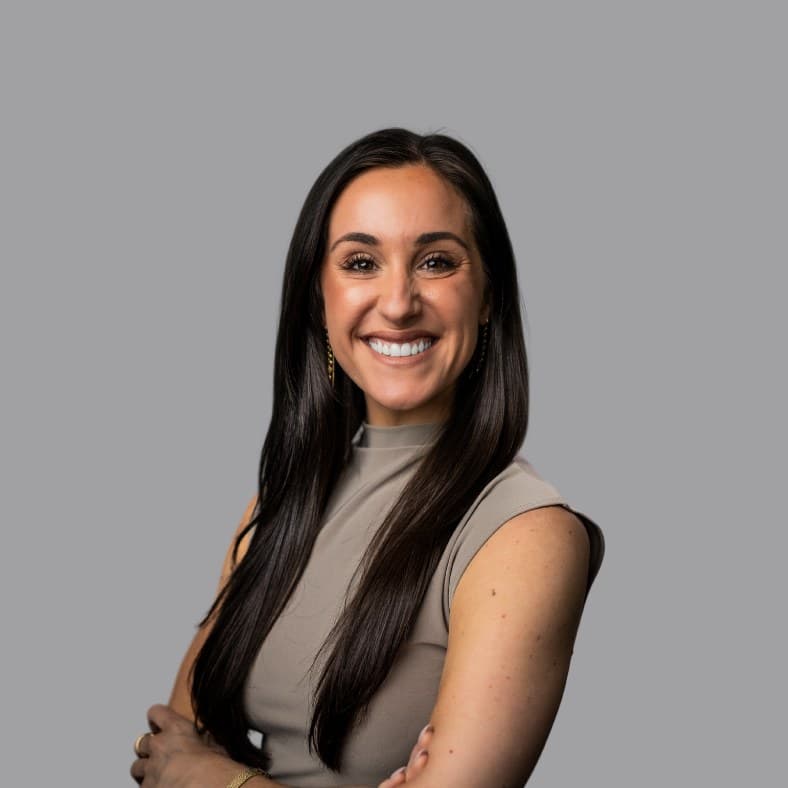
Morgan Mills, Sr. Talent Director
“I already know enough about this opportunity to pass on it.”
Most people do not give themselves the chance to make an advised decision. They discard the opportunity using what they think they know, and confirmation bias does the rest.
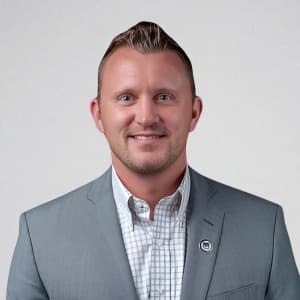
David Forney, Talent Advisor
Individual contributors to executive leadership.
The same vertical knowledge applies across commercial, clinical, R&D and engineering, regulatory, quality and operations, whether the seat is in the field, the lab, the plant or the boardroom.
- Structural Heart Clinical Specialist
- Therapy Development Manager
- Territory Manager
- Regional Sales Manager
- Clinical Imaging Specialist
- Field Clinical Engineer
- R&D Engineer
- Clinical Research Manager
- Medical Science Liaison
- Regulatory Affairs Manager
- Quality Engineer
- Director of Marketing
- VP of Sales
Four steps, every time.
The same sequence whether the seat is an engineer, a clinical lead or a territory in structural heart, or the executive who builds the team around them.
- 01Define
A Talent Director who knows your specialty scopes the role, what it has to deliver and the profile that actually wins in your market.
- 02Search & vet
We reach passive candidates others can't, then screen for skill, culture fit and motivation before you see a single resume.
- 03Present
Three to five qualified, interested candidates with our written assessment. Interviews are coordinated for you.
- 04Close & onboard
Offer strategy, counter-offer prep and a 90-day check-in so great hires become long-term ones.
Two ways to work with us in structural heart.
What people ask us about structural heart.
- What does a structural heart clinical specialist do?
- A structural heart clinical specialist supports physicians and hospital staff before, during and after transcatheter valve and closure procedures. That usually means reviewing CT and echo for sizing, preparing and loading the device, advising on technique during the case, training new teams and supporting the hospital as its program grows. Most roles involve regular travel and early starts with case schedules.
- What background do structural heart clinical specialists usually have?
- Common backgrounds include cath lab and cardiovascular technologists (often with an RCIS credential), cardiac sonographers, critical care and cath lab nurses, and clinical specialists from electrophysiology, coronary or heart failure devices. Imaging experience, especially with echocardiography and CT, is a strong advantage for mitral, tricuspid and appendage closure roles.
- How is a structural heart territory manager different from a clinical specialist?
- The territory manager owns the account relationship, the business plan and growth in the hospitals they cover, including new program development and contracting. The clinical specialist owns procedural expertise and case support. The two work as a pair, and many territory managers in structural heart started in a clinical role.
- What experience do R&D engineers need for transcatheter heart valves?
- Employers look for work on implantable or catheter-delivered devices under design controls, and ideally direct experience with tissue processing, nitinol frames, delivery system design, durability and hydrodynamic testing or heart valve standards such as ISO 5840. Experience supporting a device through a clinical study and a PMA submission is highly valued.
- Why are structural heart candidates hard to hire?
- The experienced talent pool is small because the field is relatively young and the leading companies compete for the same people. Strong candidates are usually employed, well paid and tied to long-term incentives, so searches succeed by widening the profile to adjacent cardiovascular and imaging backgrounds and by making a clear case for the move.
More inside cardiovascular.
- Why peripheral vascular companies keep hiring for relationships over ability, and what the best-athlete hiring model looks like in practiceMorgan Mills
- How total compensation in peripheral vascular MedTech has shifted over the past three years, and what the numbers mean for how companies should build their teams nowMorgan Mills
- Why clinical validation is now a commercial strategy decision in cardiovascular and peripheral vascular MedTech, and what happens to adoption when it is treated as an afterthoughtMorgan Mills
- What actually drives EV/EBITDA multiples in cardiovascular and vascular MedTech, and why most founders and operators optimize for the wrong things before a raise or exitMorgan Mills
- LeadershipDavid Forney
Filling seats isn't the objective. The business outcome is.
Tell us what this hire needs to make possible.
We'll bring you the structural heart market before we bring you a shortlist.