Introduction
A hiring manager scans 50 resumes that all list the same certifications, the same clinical rotations, the same competent-but-forgettable bullet points. Your cover letter is often the only place where you get to sound like an actual person instead of a credential list.
Many candidates skip it or send a generic version, and that's a costly mistake. 83% of hiring managers read cover letters before making a decision, according to ResumeGenius's 2026 hiring survey. A weak or missing letter can knock you out of contention before anyone even opens your resume.
This guide walks through the exact structure, wording, and tailoring strategies that make a healthcare cover letter memorable. You'll also find common mistakes to avoid and how to adjust your approach based on career stage and specialty.
Key Takeaways
- Personalize every letter to the specific employer and keep it under one page
- Quantifiable achievements beat vague claims of "passion for helping people"
- Show soft skills like teamwork and communication through examples, not labels
- Never reuse the same letter across multiple applications without editing it
How to Write a Strong Healthcare Cover Letter (Step-by-Step)
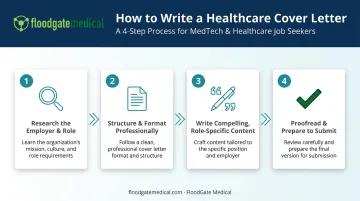
Step 1: Research the Employer and the Role
Start by rereading the job posting slowly, not skimming it. Highlight required certifications, repeated phrases, and specific skills the employer keeps mentioning. Those repeated words usually signal what matters most to the hiring team.
Then dig into the organization itself:
- Check the company website's "About" or mission page for language you can echo
- Search Glassdoor or LinkedIn for recent initiatives, awards, or culture notes
- Look for the hiring manager's name in the posting, on LinkedIn, or by calling the front desk
A letter addressed to "Sarah Michaels, Nursing Director" instantly reads differently than one addressed to "Dear Sir or Madam."
Step 2: Structure and Format Your Letter Professionally
Your cover letter should mirror the professionalism of your resume, right down to the font. Include a clean header with your contact details, the date, and the employer's information.
Keep the whole thing to one page, roughly three to four paragraphs. Structure it simply:
- Opening paragraph - hook plus the role you're applying for
- Body paragraph(s) - your relevant experience and fit
- Closing paragraph - enthusiasm, thanks, and next steps
Healthcare hiring managers expect a tone that's businesslike but warm. Avoid stiff corporate jargon, but don't get overly casual either. This isn't the place for exclamation points or slang.
Step 3: Write Compelling, Role-Specific Content
Skip "I am writing to apply for the position of..." It's the first sentence every other applicant uses. Instead, open with something specific: a shared value with the organization, a notable achievement, or a direct connection to the role's core responsibility.
In the body, pick one or two concrete examples that map directly to what the job requires. Whenever possible, attach a number to it. Compare these two lines:
"I have strong patient care skills and pay close attention to detail."
versus
"I reduced medication administration errors on my unit by 30% after implementing a double-check protocol I designed."
The second version gives the reader something to remember. Weave in keywords from the posting naturally (not stuffed in) since many healthcare systems still run applications through an ATS (applicant tracking system) before a human sees them.
Close by restating your interest in the specific role, thanking the reader for their time, and noting you'll follow up if you haven't heard back within a set window.
Step 4: Proofread, Format, and Prepare to Submit
Typos matter more in healthcare than almost any other field. If you can't catch a misplaced comma, a hiring manager may wonder if you'll catch a dosing error. That's not fair, but it's the perception you're up against.
- Read the letter aloud slowly. Your ear catches errors your eyes skip
- Run it through Grammarly or a similar tool for a second pass
- Ask a colleague, friend, or a MedTech career coach (like those at FloodGate Medical) to review it for clarity
- Save it in the file format the employer requests (PDF is usually the safest default)
- Match the file naming and formatting style you used for your resume
What Makes a Healthcare Cover Letter Stand Out
Following a template gets you a passable letter. What separates a passable letter from a memorable one comes down to personalization, specificity, and tone, not just checking boxes.
Personalization to the Employer
A letter that name-drops the organization's mission or a recent initiative signals real research effort. Hiring managers can spot a mass-sent letter within a few sentences, and it tends to land in the "no" pile fast. Referencing something specific, like a new patient-safety program or a community health initiative, shows genuine interest in that employer, not just any employer with an opening.
Quantifiable, Specific Achievements
Numbers make claims believable. "Improved patient satisfaction" is forgettable. "Increased patient satisfaction scores from 82% to 94% over six months by restructuring discharge communication" is not. FloodGate Medical's career coaches see quantified outcomes as one of the most persuasive elements a cover letter can include, precisely because they're harder to fake and easier to remember.
Demonstrated Soft Skills
Clinical competence gets you shortlisted. Interpersonal skills often decide who gets hired. HealtheCareers notes that communication skills have become more critical than ever for healthcare workers, and hiring managers consistently rank collaboration and bedside manner alongside technical ability.
Don't just claim you're a "team player." Show it:
- Describe a time you coordinated across departments to solve a patient issue
- Mention how you de-escalated a tense family conversation
- Note a process you improved by listening to frontline staff feedback
Authentic Passion and Storytelling
"I've always wanted to help people" appears in thousands of cover letters every hiring season. It says nothing about you specifically. A brief, specific story, like a rotation experience that redirected your specialty interest, or a personal encounter with the healthcare system that shaped your career path, sticks in a reader's mind far longer than a cliché ever will.
Common Mistakes to Avoid in a Healthcare Cover Letter
Most weak cover letters fail for the same handful of reasons:
- Sending a generic, unedited letter. Swapping only the company name isn't tailoring
- Repeating the resume word-for-word. Your letter should add context, motivation, or an achievement your resume doesn't fully capture, not restate it
- Writing too long or too casual. Stick to one page and a professional tone; skip personal details unrelated to the job
- Skipping proofreading. A single typo can be the deciding factor against you
That last point isn't an exaggeration. According to Robert Half's research, 63% of hiring managers are less inclined to hire a candidate with typos or grammatical errors on their application materials. In patient-facing roles, that perception of carelessness carries extra weight.
Tailoring Your Cover Letter by Career Stage and Healthcare Specialty
A new grad and a 15-year charge nurse shouldn't be writing the same letter. Your career stage and target specialty should shape both the content and the emphasis you place on it.
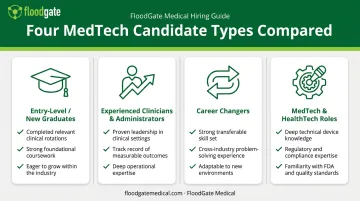
Here's how the emphasis shifts across common career paths:
- Entry-level candidates and new graduates: Lead with clinical rotations, internships, and transferable coursework rather than apologizing for limited experience. Highlight skills like managing a patient caseload under supervision or contributing to a quality improvement project.
- Experienced clinicians and administrators: Open with leadership impact: certifications, measurable outcomes, and operational improvements you drove, rather than a chronological job history.
- Career changers: Address the shift directly. Name transferable skills like project management or regulatory experience, and back it with a genuine, specific reason for the move.
- MedTech, medical device, and healthcare technology roles: Emphasize technical expertise, regulatory knowledge, and an innovation mindset. These roles sit at the intersection of clinical understanding and product or sales acumen, so your letter should reflect both sides.
If you're targeting MedTech specifically, working with a recruiter who understands the space can shortcut a lot of guesswork. FloodGate Medical, for instance, focuses exclusively on MedTech talent.
The firm pairs candidates with curated opportunities and career resources like its Career Transition Guide and Breaking Into MedTech hub, both built for professionals navigating this kind of move.
Conclusion
A cover letter that combines real research, quantifiable achievements, and a specific, honest reason for wanting the role can outweigh a slightly thinner resume. Most letters don't fail due to a lack of candidate qualifications. They fail because the content is generic, recycled, or contains errors that a second read-through would catch.
Work through the steps in this guide before your next submission. If you're aiming specifically for a MedTech or healthcare technology role, resources like FloodGate Medical's industry insights and career coaching programs can help you stand out. These programs connect candidates to opportunities that go beyond typical job board listings.
Frequently Asked Questions
What are common healthcare cover letter mistakes?
The most frequent mistakes are sending generic, non-tailored content, repeating the resume verbatim, and skipping proofreading. All three signal a lack of attention to detail to the reader.
Is not including a healthcare cover letter a red flag?
Some employers don't require one, but skipping it when requested suggests low effort. Even when optional, a strong letter typically strengthens your application.
How long should a healthcare cover letter be?
One page or less, roughly three to four concise paragraphs. Longer letters tend to lose the reader's attention before the closing.
Should I use the same cover letter for every healthcare job application?
No. Reusing a generic letter is one of the biggest mistakes candidates make. Tailor each letter to the specific employer, role, and job posting.
How do I address a cover letter if I don't know the hiring manager's name?
Check the job posting, company website, and LinkedIn first. If you still can't find a name, address it to the specific department (for example, 'Dear Nursing Recruitment Team') rather than "To Whom It May Concern."
What should I include if I have no direct healthcare experience?
Highlight transferable skills, relevant coursework or internships, and a genuine, specific reason you're drawn to the field. Avoid generic statements that could apply to any applicant.